
Pashupatinath Temple, Nepal – A Sacred Highlight in Nepal Package Tours
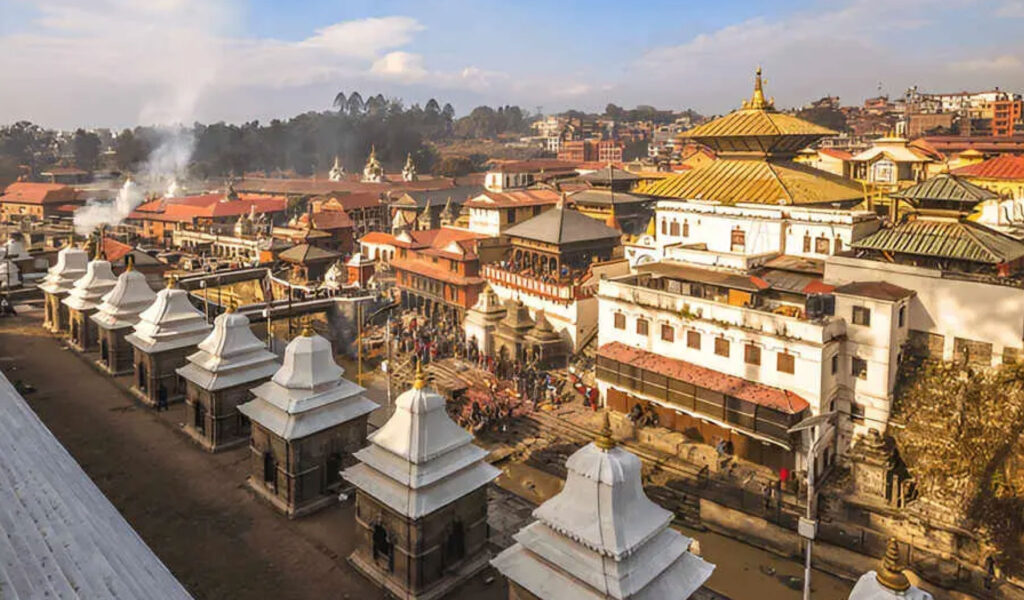
One of the holiest temples dedicated to Lord Shiva, Pashupatinath Temple is a spiritual landmark that attracts millions of pilgrims and travelers each year. Located on the banks of the Bagmati River in Kathmandu, this revered shrine is a UNESCO World Heritage Site and a major destination for devotees across South Asia.
For travelers exploring the Himalayan nation, the temple is often a central stop in many Nepal package tours. Known for its spiritual atmosphere, sacred rituals, and stunning pagoda-style architecture, Pashupatinath Temple offers visitors a deeply immersive cultural experience that reflects Nepal’s ancient Hindu traditions.
Where Is Pashupatinath Temple? (with GPS Coordinates)
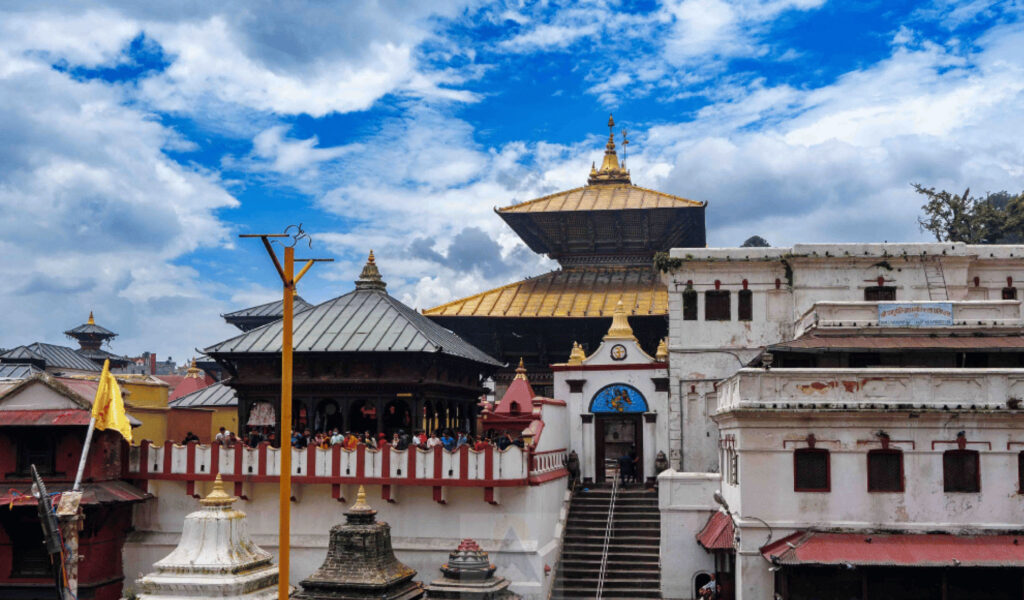
Pashupatinath Temple is located in Kathmandu, the capital city of Nepal, on the banks of the Bagmati River. The temple complex sits about 5 km from Tribhuvan International Airport, making it easily accessible for travelers arriving in the city.
📍 GPS Coordinates: 27.7103° N, 85.3488° E
The temple complex stretches across both sides of the Bagmati River and includes numerous shrines, ghats, monasteries, and ashrams. Due to its central location in Kathmandu, it is often included in city sightseeing itineraries as part of popular Nepal package tours. The surrounding area is lively with pilgrims, monks, and visitors experiencing the spiritual pulse of Nepal.
Mythological & Historical Significance
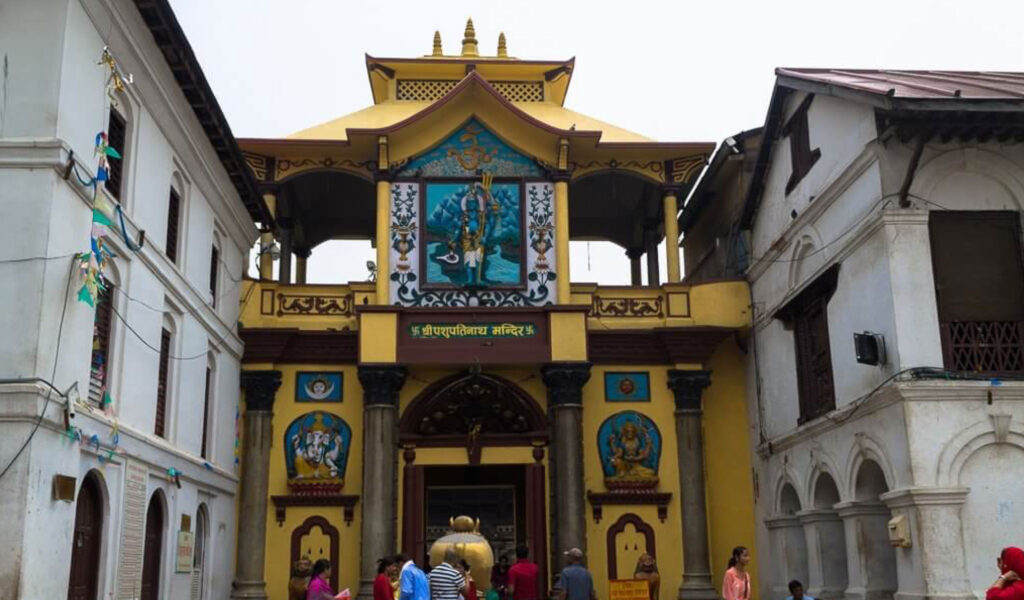
Pashupatinath Temple is one of the most sacred shrines of Lord Shiva, worshipped here in the form of Pashupati, meaning “Lord of All Living Beings.” According to Hindu mythology, Shiva once took the form of a deer and roamed the forests around Kathmandu. When the gods discovered him, they tried to capture him, breaking one of his horns. The broken horn is believed to have manifested as the sacred Shiva lingam now worshipped in the temple.
Historically, the temple dates back to at least the 5th century CE, though the current structure was rebuilt in the 17th century. Over centuries, kings and devotees have contributed to its development, making it one of the most significant pilgrimage sites in the Hindu world. Because of its religious importance and cultural heritage, the temple remains a highlight in many spiritual Nepal package tours.
Architecture
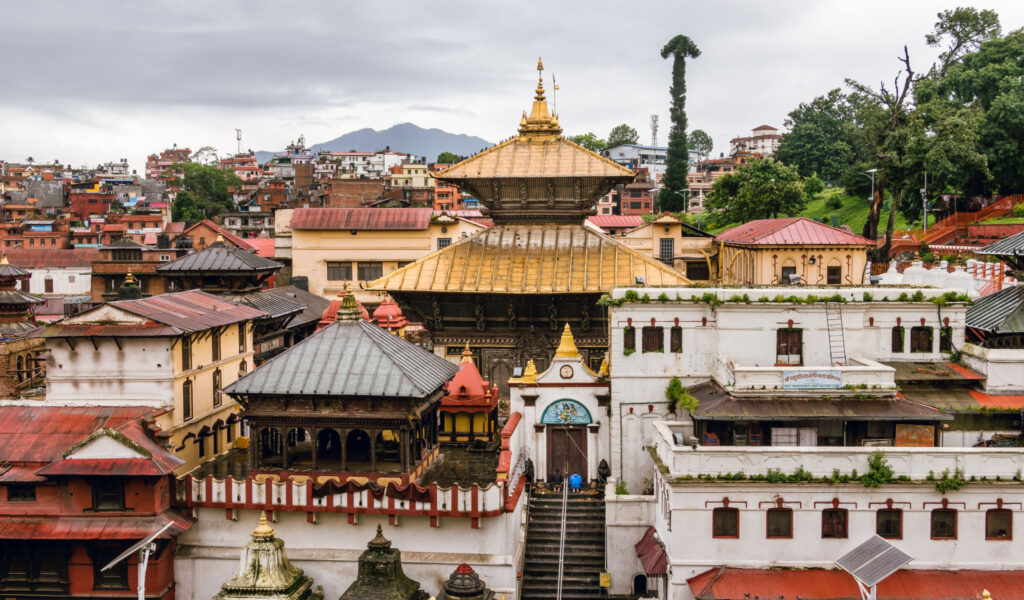
The temple is built in the traditional Nepali pagoda style, featuring a two-tiered golden roof and intricately carved wooden rafters. The main sanctum houses a four-faced Shiva lingam made of black stone, symbolizing Shiva’s omnipresence.
Silver-plated doors, ornate wooden carvings, and statues of deities surround the temple complex. The architecture reflects centuries of Newari craftsmanship and religious devotion. The Bagmati River flowing beside the temple adds to the sacred atmosphere, with cremation ghats lining its banks.
What You’ll See & Do at Pashupatinath Temple
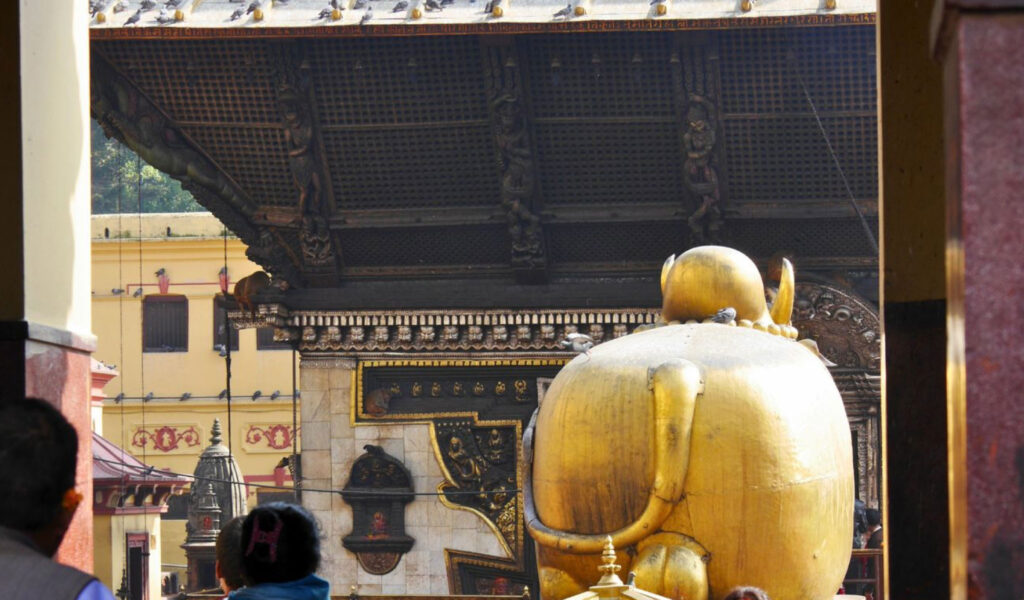
A visit to Pashupatinath Temple is both spiritual and cultural. The main attraction is the darshan of Lord Shiva, where devotees gather to offer prayers, flowers, and sacred water.
Visitors can witness traditional Hindu cremation ceremonies along the Bagmati River ghats. While solemn, these rituals offer insight into Nepalese spiritual traditions and beliefs about life and death.
Another highlight is the evening Bagmati Aarti, a vibrant ritual with chanting, lamps, and devotional music that fills the temple area with energy. The temple complex also features numerous smaller shrines, statues, and meditation spaces.
Sadhus (Hindu holy men) dressed in saffron robes are commonly seen around the temple, adding to the spiritual ambiance. These unique cultural experiences make Pashupatinath one of the most memorable stops in Nepal package tours.
How to Reach Pashupatinath Temple
Reaching Pashupatinath Temple is convenient due to its proximity to central Kathmandu.
✈️ By Air: The nearest airport is Tribhuvan International Airport, located about 5 km away.
🚕 By Taxi: Taxis are readily available from anywhere in Kathmandu and can reach the temple in 15–20 minutes.
🚌 By Local Transport: Public buses and tourist vehicles also operate routes to the temple.
Many guided Nepal package tours include transportation and temple visits as part of Kathmandu sightseeing.
Nearby Places to Visit
Pashupatinath Temple is surrounded by several famous attractions in Kathmandu:
•Boudhanath Stupa – One of the largest Buddhist stupas in the world.
•Swayambhunath Temple – Also known as the Monkey Temple.
•Kathmandu Durbar Square – A historic palace complex and UNESCO site.
These sites together form the cultural heart of Kathmandu and are frequently included in Nepal package tours.
Best Time to Visit & Travel Tips
The best time to visit Pashupatinath Temple is October to March, when the weather is pleasant and clear. The temple is particularly vibrant during Mahashivaratri, when thousands of pilgrims gather to worship Lord Shiva.
Travel Tips:
•Non-Hindus are not allowed inside the main sanctum but can view the temple from nearby terraces.
•Dress modestly as this is an active religious site.
•Visit early morning or evening for a peaceful experience.
•Respect cremation rituals happening along the river.
These tips help visitors enjoy a respectful and enriching experience during Nepal package tours.
Suggested Itinerary (Half-Day Plan)
Morning: Begin with a visit to Pashupatinath Temple for early morning prayers.
Midday: Walk along the Bagmati ghats and observe temple rituals.
Afternoon: Explore Boudhanath Stupa and nearby monasteries.
Evening: Return to Pashupatinath for the mesmerizing Bagmati River Aarti.
This itinerary fits perfectly into Kathmandu sightseeing programs included in many Nepal package tours.
FAQ – Pashupatinath Temple, Kathmandu
Q1. Why is Pashupatinath Temple famous?
Pashupatinath Temple is famous as one of the most sacred temples of Lord Shiva in the world. It is a major Hindu pilgrimage site and a UNESCO World Heritage Site located on the banks of the Bagmati River in Kathmandu.
Q2. Is Pashupatinath Temple included in Nepal package tours?
Yes, Pashupatinath Temple is included in most Nepal package tours, especially those covering Kathmandu sightseeing along with Boudhanath Stupa and Swayambhunath Temple.
Q3. Can non-Hindus enter Pashupatinath Temple?
Non-Hindus are not allowed inside the main temple sanctum, but they can explore the surrounding temple complex and view the temple from the opposite side of the Bagmati River.
Q4. What is the best time to visit Pashupatinath Temple?
The best time to visit is early morning or evening when prayers and rituals take place. The temple is also especially vibrant during Mahashivaratri, a major festival dedicated to Lord Shiva.
Q5. What is the Bagmati River Aarti at Pashupatinath Temple?
The Bagmati Aarti is a spiritual evening ceremony where priests perform rituals with lamps, incense, and chanting on the banks of the Bagmati River. It is a popular attraction for visitors.
Q6. How old is Pashupatinath Temple?
The temple is believed to date back to at least the 5th century CE, although the current structure was rebuilt in the 17th century.
Q7. Is there an entry fee for Pashupatinath Temple?
Yes, foreign tourists usually need to pay an entry fee to enter the temple complex. Nepali citizens and Indian pilgrims typically have free or discounted entry.
Q8. What is the significance of the Shiva lingam at Pashupatinath?
The main shrine houses a four-faced Shiva lingam, representing Lord Shiva looking in four directions, symbolizing his universal presence.
Q9. How far is Pashupatinath Temple from Kathmandu Airport?
Pashupatinath Temple is located about 5 km from Tribhuvan International Airport, which takes around 15 minutes by taxi.
Q10. Are cremation rituals performed at Pashupatinath Temple?
Yes, Hindu cremation ceremonies are performed along the Bagmati River ghats near the temple, following traditional rites.
Q11. What should visitors wear when visiting Pashupatinath Temple?
Visitors should wear modest clothing that covers shoulders and knees, as the temple is an important religious site.
Q12. How much time should I spend at Pashupatinath Temple?
Most travelers spend 1–2 hours exploring the temple complex, observing rituals, and attending the evening Aarti.
Conclusion
Pashupatinath Temple is more than a religious destination—it is a profound spiritual experience that reflects Nepal’s deep-rooted traditions and devotion to Lord Shiva. With its sacred atmosphere, historic architecture, and vibrant rituals, the temple remains one of the most important cultural landmarks in the Himalayas.
For travelers exploring Kathmandu, a visit to Pashupatinath is an essential part of many Nepal package tours, offering an unforgettable glimpse into Nepal’s spiritual heritage.
Recommended Tour


Related Blogs