Udayagiri Caves, Odisha – A Complete Travel Guide
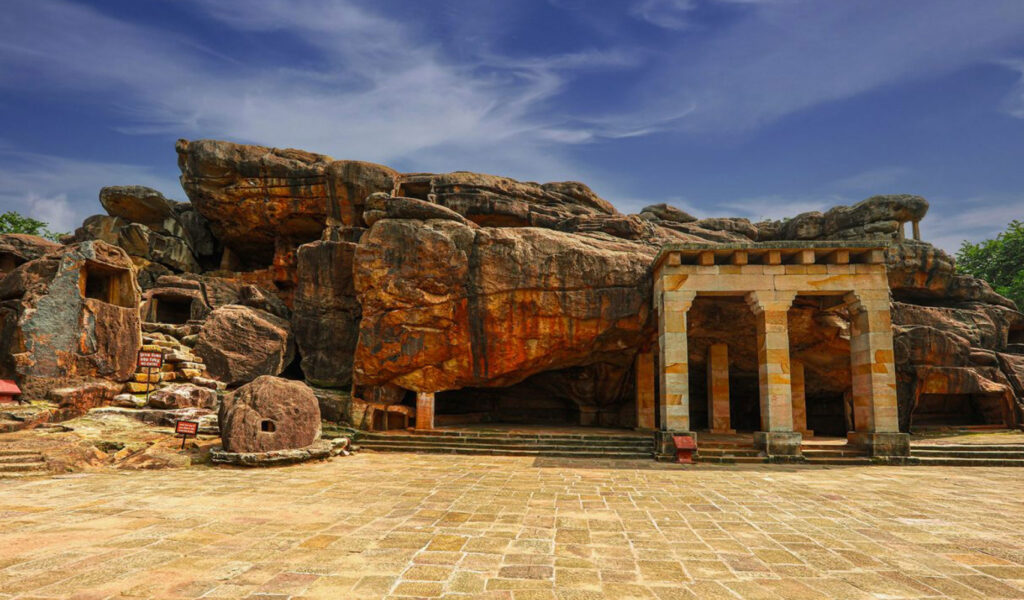
If you’re searching for places to visit in Odisha that blend history, spirituality, and breathtaking landscapes, the Udayagiri Caves should be at the top of your list. Known for their ancient Jain heritage, rock-cut sculptures, and peaceful surroundings, these caves are among the most iconic tourist attractions in Odisha. Whether you’re a history lover, photographer, or a culture traveler, Udayagiri promises an unforgettable experience.
Where Is Udayagiri Caves? (With GPS Coordinates)
The Udayagiri Caves are located near Bhubaneswar, the capital city of Odisha, forming a part of the famous “Twin Hills” – Udayagiri and Khandagiri. These ancient caves lie on a hill overlooking lush greenery and are easily accessible from the city.
•Location: Udayagiri & Khandagiri Hills, Bhubaneswar, Odisha
•GPS Coordinates: 20.2573° N, 85.7866° E
Because of their position right beside National Highway 16, Udayagiri is one of the fastest-growing tourist spots in Odisha for heritage lovers and day-trip travelers.
Mythological & Historical Significance
The Udayagiri Caves hold immense importance in Odisha’s cultural and religious landscape. Dating back to the 2nd century BCE, these caves were built during the reign of King Kharavela of the Mahameghavahana Dynasty. Many inscriptions found here—including the famous Hathigumpha inscription—offer deep insights into Kharavela’s achievements, governance, and patronage of Jainism. This makes the caves one of the richest archaeological sites in eastern India.
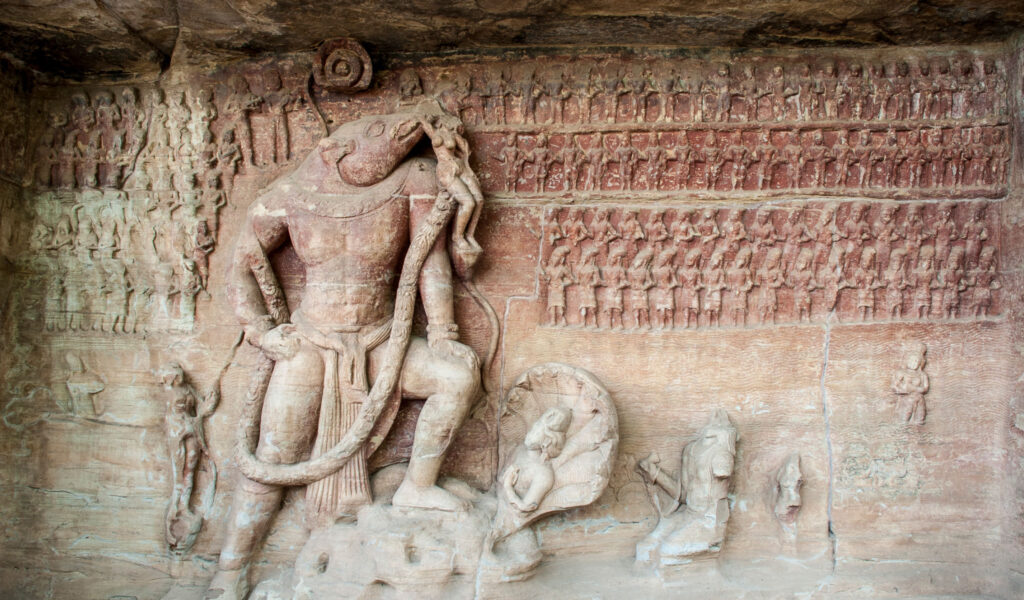
Mythologically, Udayagiri is believed to have been a retreat space for Jain monks, who meditated, studied, and lived in these chambers. The natural rock shelters, carved pillars, and sculpted panels depict Jain traditions, stories of Tirthankaras, and motifs showcasing early eastern Indian art.
Even today, Udayagiri remains an important pilgrimage site for the Jain community and continues to attract scholars exploring ancient Indian history. Its significance makes it one of the most revered tourist attractions in Odisha for knowledge seekers and culture explorers.
Architecture

The architecture of Udayagiri Caves is a masterpiece of early Indian rock-cut design. Udayagiri consists of 18 caves, each carved with precision from sandstone cliffs. The craftsmanship reflects a blend of simplicity and spiritual functionality, showing how ancient artisans adapted natural rock formations to create meditation halls, dwelling chambers, and intricate sculptures.
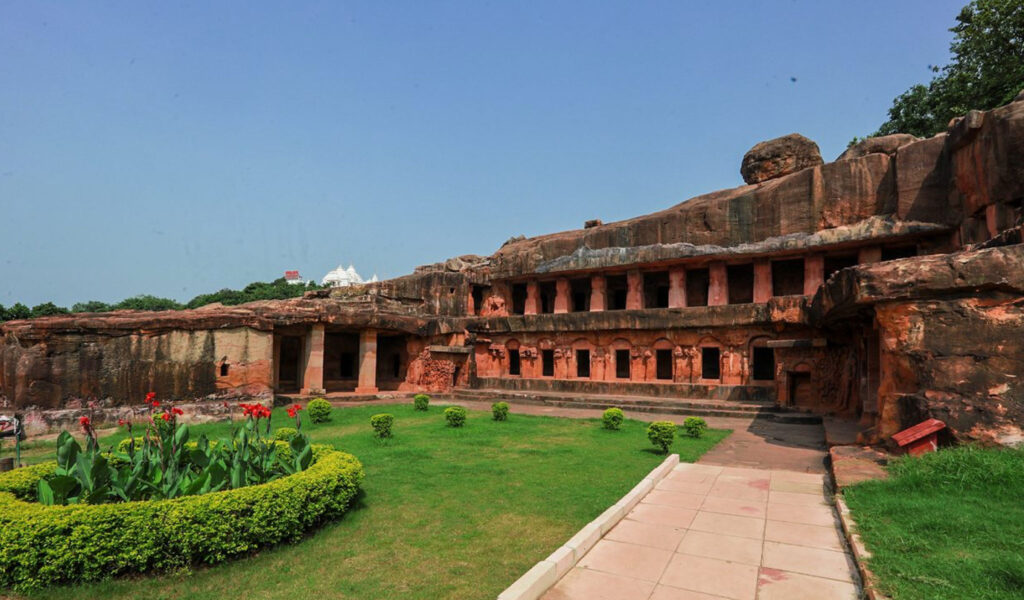
The most iconic structure here is Rani Gumpha (Cave 1)—a double-storied, palace-like cave adorned with pillars, engraved friezes, and narrative panels. Scenes of royal processions, dancers, animals, and divine symbols bring the cave walls to life. Hathigumpha (Cave 14), notable for its long inscription, is considered the “historical diary” of King Kharavela.
Carvings of elephants, lions, women, dancers, and Jain motifs reveal strong artistic influences of the early Kalinga period. The balance between ornamentation and natural cave setting creates an atmosphere of serene antiquity. This architectural brilliance makes Udayagiri not just a historical site, but one of the most photogenic tourist spots in Odisha.
What You’ll See & Do at Udayagiri Caves
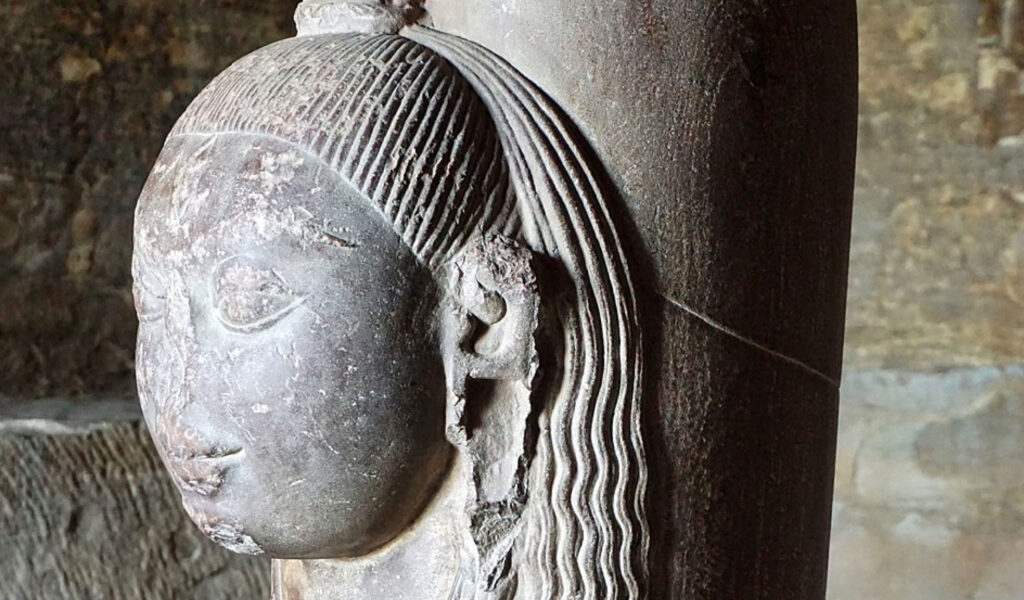
A visit to Udayagiri is a mix of exploration, photography, spirituality, and hiking. You’ll start by climbing the stone steps that lead to the hilltop, offering stunning views of Bhubaneswar’s urban skyline on one side and green landscapes on the other.
Key experiences include:
•Explore Rani Gumpha: The most elaborately carved cave with beautiful verandas, intricate artwork, and peaceful chambers.
•Read the Hathigumpha Inscription: A must-see for history enthusiasts; this long inscription provides insights into King Kharavela’s life.
•Photography: The play of light against rock-cut carvings provides excellent photographic angles.
•Meditation & Quiet Corners: Several small chambers offer silent spaces perfect for reflection.
•Nearby Khandagiri Caves: Located opposite Udayagiri; ideal for extending your heritage trail.
Udayagiri offers a well-rounded experience—heritage, nature, and culture—making it one of the most versatile places to visit in Odisha for all age groups.
How to Reach Udayagiri Caves
The caves are easily accessible because they are located just 8 km from Bhubaneswar city centre, making them a popular half-day trip from the capital.
By Air : The nearest airport is Biju Patnaik International Airport, only 6–7 km away. Taxis and app cabs are readily available.
By Rail: Bhubaneswar Railway Station is 9 km from the caves and connects well with major Indian cities.
By Road: The caves lie right off NH-16, making them accessible by auto, cab, or local buses. Travelers staying in Puri or Cuttack can also plan a day trip (1–1.5 hours drive).
Good roads and clear signboards make Udayagiri one of the easiest heritage sites to reach among all tourist attractions in Odisha.
Udayagiri is surrounded by some of the best heritage and spiritual places to visit in Odisha, making the area perfect for a full-day itinerary. Don’t miss:
•Khandagiri Caves: Right opposite Udayagiri; known for Jain sculptures, man-made caves, and hilltop views.
•Lingaraj Temple: A 1000-year-old architectural marvel dedicated to Lord Shiva, just 6 km away.
•Mukteshwar Temple: Famous for its ornate torana (arched gateway) and beautiful carvings.
•Dhauli Shanti Stupa: A peaceful Buddhist site with panoramic views of the Daya River.
•Odisha State Museum: Great for understanding Kalinga’s history, arts, and archaeology.
•Ekamra Kanan Botanical Garden: A relaxing escape ideal for nature lovers.
These attractions complement your visit to Udayagiri, giving you a wholesome cultural experience of Odisha.
Best Time to Visit & Travel Tips
Best Time:
The ideal time to explore Udayagiri Caves is October to February, when the weather is pleasant for climbing and outdoor sightseeing. Early mornings and late afternoons offer the best lighting for photography.
Travel Tips:
•Wear comfortable shoes; there are several steps to climb.
•Carry water bottles, especially during summer.
•A local guide can enrich your visit with historical explanations.
•Beware of monkeys; don’t carry loose food items.
•Allocate at least 1.5–2 hours to explore the caves comfortably.
•Combine your visit with Khandagiri to complete the heritage circuit.
These tips ensure a smooth and enjoyable visit to one of the finest tourist spots in Odisha.
Suggested Itinerary
Half-Day Itinerary:
•8:00 AM – Arrive at Udayagiri Caves, explore Rani Gumpha and Hathigumpha
•9:30 AM – Cross over to Khandagiri Caves
•11:00 AM – Visit Mukteshwar & Parsurameswar temple
•12:00 PM – Lunch at a local Odia restaurant
•1:00 PM – Explore Lingaraj Temple
•3:00 PM – Head to Dhauli Shanti Stupa for sunset
Full-Day Itinerary:
If you have an entire day, add:
•Odisha State Museum
•Ekamra Kanan
•Evening shopping at Ekamra Haat
This itinerary allows you to enjoy heritage, spirituality, local food, and nature—truly the essence of Odisha travel.
FAQ – Udayagiri Caves, Odisha
Q1: What are the entry fee and visiting hours for Udayagiri Caves?
•The caves are generally open every day. Most sources list the visiting hours as 9:00 AM to 6:00 PM.
•Entry fee: For Indian citizens, the fee is typically ₹15–₹25 per person. For foreign nationals, different sources mention higher charges — around ₹200–₹250.
•Video cameras may attract a small extra fee (as is common in many heritage sites).
Q2: Do I need to book tickets in advance?
No. For most visitors, tickets are purchased at the entrance ticket counter when you arrive. There is no mandatory advance booking requirement.
Q3: How much time should I allocate for visiting Udayagiri Caves?
For a comfortable visit — exploring the main caves, reading inscriptions and enjoying views — you should plan for about 1.5 to 2.5 hours. If you want to cover both hills (Udayagiri + neighbouring hill caves like Khandagiri Caves), then 2–3 hours is reasonable at a relaxed pace.
Q4: Are the caves suitable for elderly visitors or people with mobility issues?
The site involves walking and climbing steps — the terrain can be uneven and a bit steep at times. Several travellers note that the climb and stair-like rocks may be challenging for seniors or those with mobility limitations. If you belong to this group, going slow and visiting only the more accessible caves is advisable.
Q5: Is photography allowed inside Udayagiri Caves? Are there any restrictions?
Yes — general photography is allowed. However, interiors of some caves may be behind grills or meshes for preservation, which may limit interior photography. Tripods or professional video gear might require special permission.
Q6: Are there guides available on-site? Should I hire one?
Yes — local guides are often available at the entrance. Many visitors recommend hiring a guide, because without one, it’s easy to miss the historical significance of the caves, inscriptions, and detailed carvings.
Q7: Are there facilities like toilets, drinking water, and parking available at Udayagiri Caves?
The cave complex does offer basic visitor amenities, including toilets, potable water, and parking/vehicle access. That said — it’s still a good idea to carry your own water, especially during summer or midday visits.
Q8: What are the ‘must-see’ caves or highlights inside Udayagiri?
Some of the most notable caves/structures are:
•Hathigumpha (the “Elephant Cave”) — famous for its ancient inscription attributed to the king under whose reign the caves flourished.
•Rani Gumpha (“Queen’s Cave”) — a double-storey, elaborately carved cave with beautiful friezes, sculptural work, and peaceful chambers.
•Several other smaller caves, sculptures and reliefs — each with distinct motifs and historical significance.
Q9: Is it possible to visit both Udayagiri and Khandagiri in the same trip?
Yes — many visitors combine Udayagiri and the neighbouring Khandagiri caves in a single trip. The hills are adjacent; you can explore both in a single 2–3 hour visit depending on how much you walk, climb, and explore.
Q10: What is the best time of day or season to visit Udayagiri Caves?
•Best season: Winter months — typically October to February — when the weather in Odisha is cooler and more pleasant for hill climbs and walking around.
•Best time of day: Early morning or late afternoon — not only is the weather milder, but the soft light makes for great photography and a comfortable visit.
Conclusion
The Udayagiri Caves are a must-visit for anyone exploring Odisha. Their history, architecture, and serene setting make them one of the most enriching tourist attractions in Odisha. Whether you’re on a family trip, heritage tour, or solo adventure, this ancient site promises an unforgettable experience.
Recommended Tour
Related Blogs
Jagannath Temple Puri – A Divine Journey Through One of the Most Sacred Tourist Attractions in Odisha
Read More »