Mahabodhi Temple Bodh Gaya – History, Architecture & Places to See in Bihar
The Mahabodhi Temple in Bodh Gaya is the site where Siddhartha Gautama attained enlightenment and became the Buddha. Revered by Buddhists around the world, the temple complex is a living centre of pilgrimage, study, and ritual — and is rightly counted among the most important places to see in Bihar. Designated a UNESCO World Heritage Site, the complex combines deep religious meaning with architectural significance and ongoing conservation efforts, making it essential for travelers interested in history, spirituality, and heritage tourism.
Where Is Mahabodhi Temple? (with GPS Coordinates)
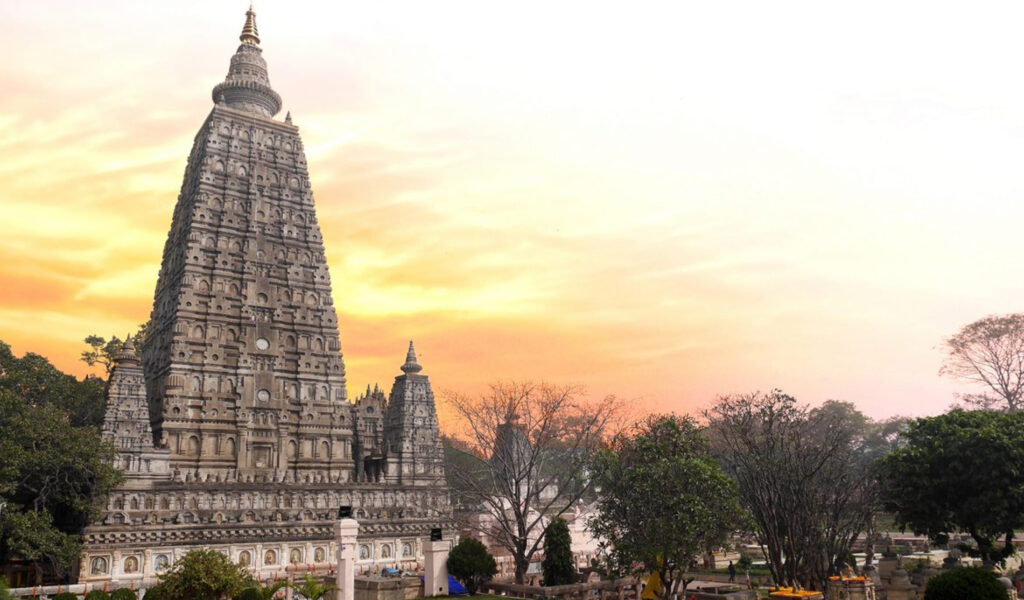
The Mahabodhi Temple is located in Bodh Gaya, in Gaya district of Bihar, northeastern India. The commonly cited coordinates for the temple precinct are approximately 24.6959° N, 84.9911° E — a GPS pin that places the complex within easy reach of Gaya city while sitting amid a landscape of monasteries, stupas, and pilgrimage facilities. Bodh Gaya lies on the southern edge of the Ganges plains and serves as a hub for international Buddhist pilgrims. (Use these coordinates in your navigation tool to find the temple entrance and parking areas.)
Mythological & Historical Significance
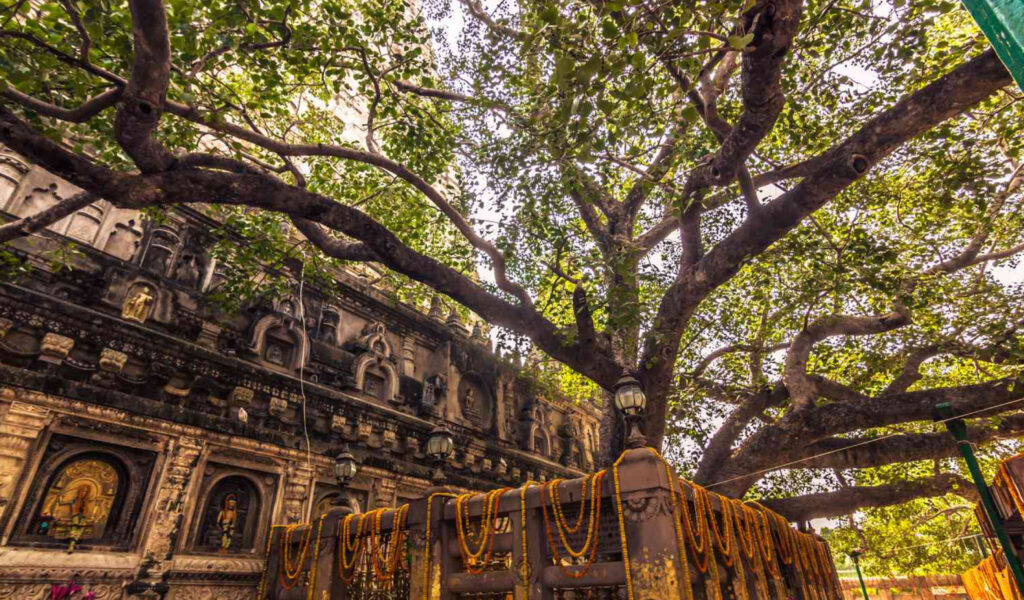
The Mahabodhi site is venerated as the precise location where Prince Siddhartha meditated under the Bodhi Tree and attained enlightenment (c. 6th–5th century BCE). Emperor Ashoka (3rd century BCE) is credited with the earliest major commemorative constructions at Bodh Gaya, and later restorations and rebuilding through the Gupta period produced the impressive brick shrine visible today. Over centuries the site has drawn pilgrims from across Asia and has been a centre for Buddhist teaching, ritual, and scholarship — a continuity that helped secure its UNESCO World Heritage listing in 2002. The complex’s spiritual and archaeological layers make it a vital place of study for religious historians and heritage scholars.
Architecture
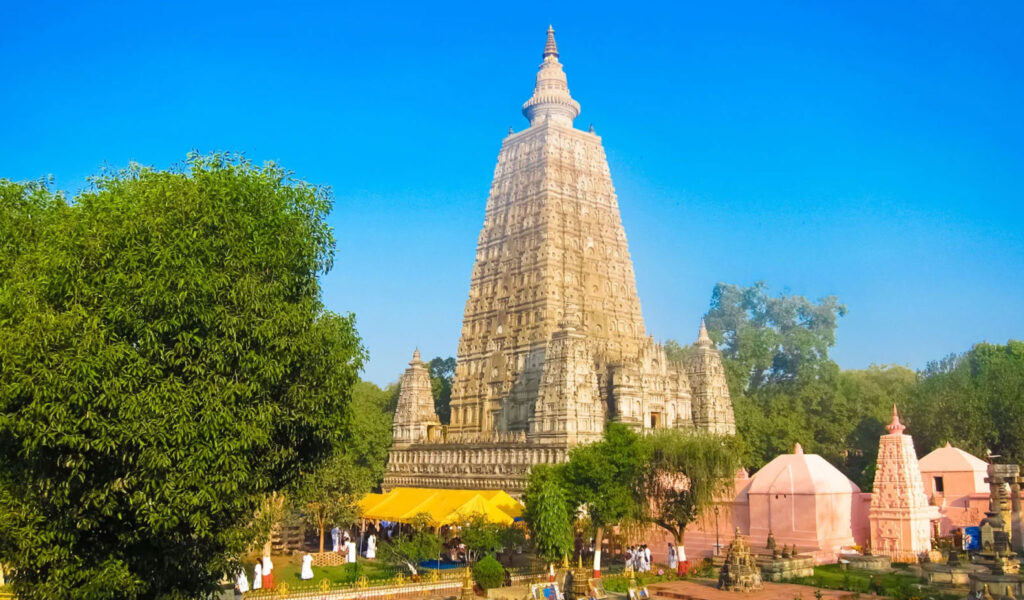
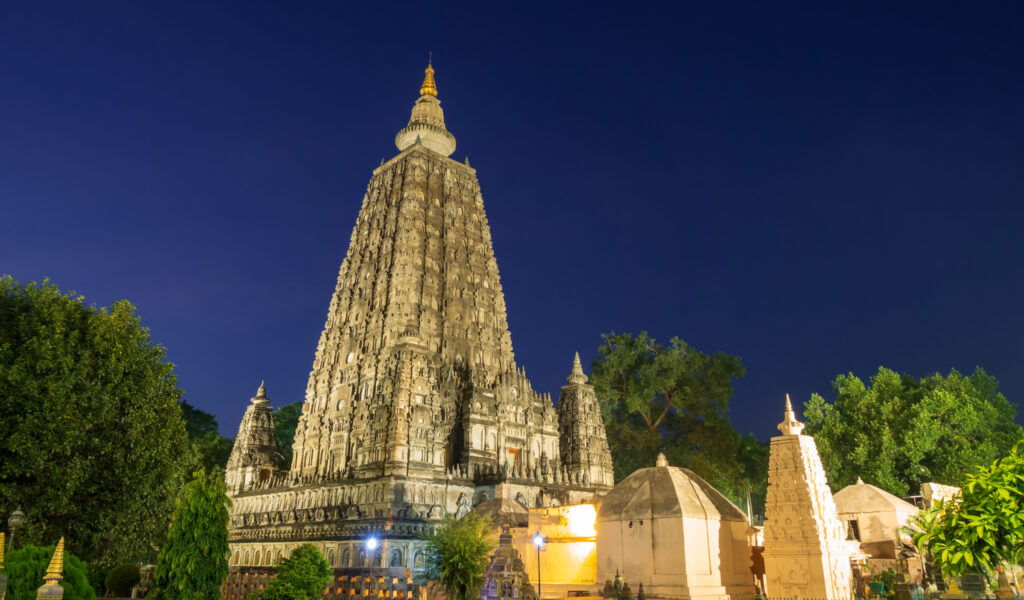
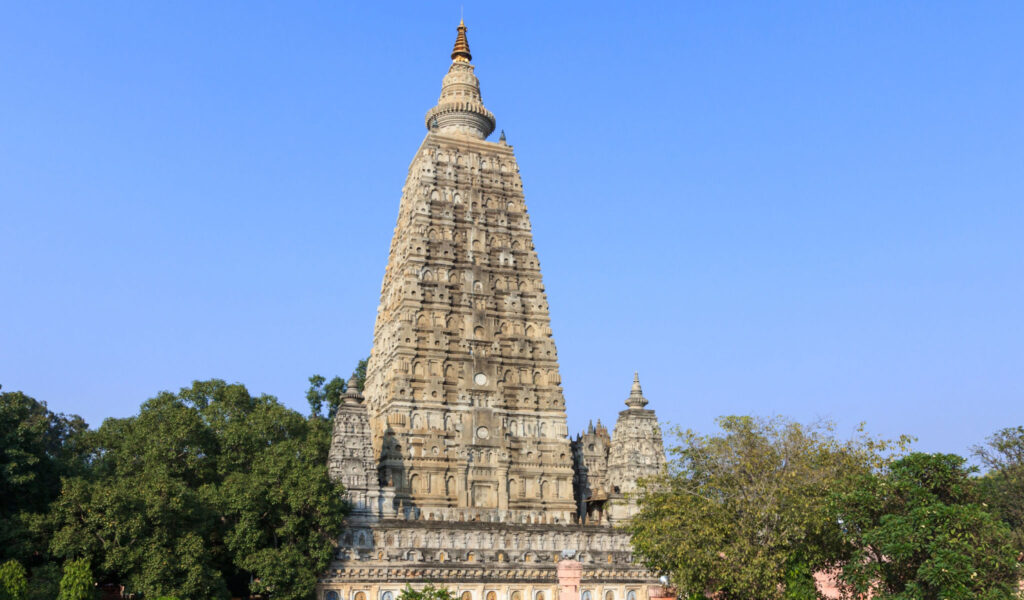
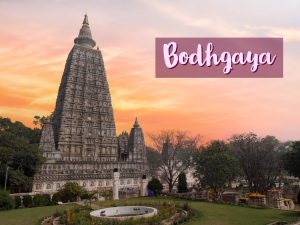
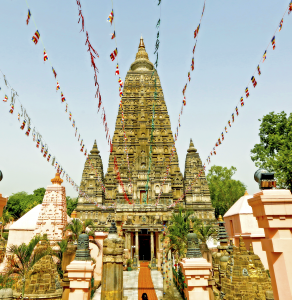
The present Mahabodhi Temple is notable as one of the earliest substantial brick structures in India, with a pyramidal or shikhara-like central tower rising to roughly 55 m. The design — a stepped, truncated pyramid with niches containing Buddha images and small stupas — reflects artistic developments that link Gandharan and Gupta traditions. Surrounding the main tower are smaller shrines, a stone railing with ancient panels, and the sacred Bodhi Tree. Renovations in the 18th–19th centuries and conservation carried out in the 20th–21st centuries have preserved the temple’s character, even as careful restoration attempts to respect its archaeological layers. The complex is a key example of brick temple architecture that influenced later structures in the subcontinent.
What You’ll See & Do at Mahabodhi Temple
Visitors arrive to a calm, tree-lined precinct where rituals, meditation, and international pilgrim activity coexist. Highlights include: walking the circumambulatory path around the main shrine, meditating beneath the descendant Bodhi Tree (a sapling of the original), viewing ancient stone railings and relief panels, and attending morning and evening prayers held by monks from multiple traditions. The complex is ringed by international monasteries (Thai, Tibetan, Japanese, Bhutanese, etc.), making it possible to experience diverse versions of Buddhist practice in a single visit. Photography is allowed in many exterior areas (respect signs), and respectful silence is appreciated in meditation zones. For researchers and devotees, the site’s layered archaeology and continuing ritual life provide rich material for study and reflection.
How to Reach Mahabodhi Temple
Bodh Gaya is accessible by air, rail, and road. The nearest major airport is Gaya Airport (GAY), which has connections to Patna and seasonal flights from larger hubs; Patna’s Lok Nayak Jayaprakash Airport (PAT) is about 110–120 km by road. By rail, Gaya Junction is the closest major station (about 12–15 km from Bodh Gaya), with regular trains from Patna, Kolkata, Delhi, and other cities; from Gaya station taxis and buses serve Bodh Gaya. Long-distance coaches and private cars also connect Bodh Gaya to Patna and neighboring states. If you travel by road from Patna or Gaya, expect a 2–4 hour drive depending on traffic. For practical planning, use train timetables and domestic flight schedules to line up connections, especially during festival seasons when pilgrim numbers surge.
Bodh Gaya sits in a rich cultural landscape — ideal for a multi-site itinerary. Nearby places in Bodh Gaya highlights include:
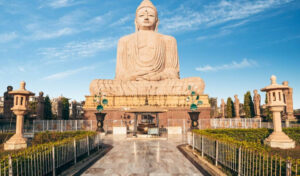
•Great Buddha Statue (a large, modern seated Buddha and meditation park), just a short walk from the Mahabodhi complex.
•Dungeshwari (Mahakala) Caves, where Buddhist texts suggest the Buddha practised ascetic retreats prior to enlightenment.
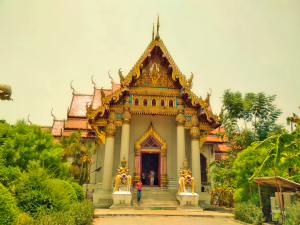
•Thai, Japanese, Chinese, Bhutanese monasteries dotted around Bodh Gaya, each offering distinctive art, architecture and prayer schedules.
•Further afield: Nalanda (ancient seat of learning), Rajgir (hot springs, Vulture’s Peak), and Gaya town (Hindu pilgrimage sites) make excellent day-trip extensions. These sites together form a compelling cluster of places to see in Bihar for culture and history enthusiasts.
Best Time to Visit & Travel Tips
Best time: October to March is ideal — cooler temperatures, clearer skies, and many religious festivals. Monsoon (June–September) brings heavy rains that can affect travel, though the green landscape is striking.
Tips: dress modestly and respect monastic and meditation areas; carry water and comfortable footwear for walking; check timings for pujas and international chanting events if you wish to attend; book accommodation well in advance during major festivals (Buddha Purnima, international chanting events). Currency exchange and ATMs are available in Gaya, but many small stalls accept cash only. Lastly, be mindful of conservation rules inside the UNESCO buffer zones — avoid littering and follow local signage.
Suggested Itinerary (1–2 days)
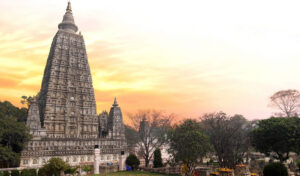
Day 1 (Half day / Arrival): Arrive at Gaya or Bodh Gaya, check in, and spend the afternoon exploring the Mahabodhi complex. Attend evening chanting or watch the sunset light up the temple tower.
Day 2 (Full day): Early morning meditation or prayer at the Bodhi Tree; visit the Great Buddha Statue and nearby monasteries; afternoon trip to Dungeshwari Caves; late afternoon drive to Nalanda (if time permits) or relax with tea at a local café. For a deeper academic visit, schedule time with local guides or scholars who can explain archaeological layers and inscriptional evidence. Allow flexibility for slow walking and silent reflection — the site rewards unhurried exploration.
FAQ – Mahabodhi Temple, Bodh Gaya
Q1. Why is Mahabodhi Temple famous?
Mahabodhi Temple is famous because Lord Buddha attained enlightenment at this site under the Bodhi Tree. It is one of the most sacred Buddhist pilgrimage destinations in the world and a UNESCO World Heritage Site, making it one of the most important places to see in Bihar.
Q2. Is Mahabodhi Temple a UNESCO World Heritage Site?
Yes, the Mahabodhi Temple Complex was declared a UNESCO World Heritage Site in 2002 due to its outstanding universal value, ancient brick architecture, and continuous religious significance for over 2,000 years.
Q3. What is the best time to visit Mahabodhi Temple?
The best time to visit Mahabodhi Temple is from October to March, when the weather is pleasant for sightseeing and meditation. Buddha Purnima (April–May) is also an important time, though the temple gets very crowded.
Q4. Is there any entry fee for Mahabodhi Temple?
There is no entry fee to visit the Mahabodhi Temple complex. However, donations are accepted, and some nearby museums or guided tours may charge a nominal fee.
Q5. Can non-Buddhists visit Mahabodhi Temple?
Yes, people of all religions are allowed to visit Mahabodhi Temple. Visitors are expected to maintain silence, dress modestly, and respect meditation areas and ongoing rituals.
Q6. How much time is required to visit Mahabodhi Temple?
A regular visit takes 2 to 3 hours, but travelers interested in meditation, prayer, or photography often spend half a day exploring the complex and nearby monasteries.
Q7. What should I wear while visiting Mahabodhi Temple?
Visitors should wear modest and comfortable clothing. Avoid short skirts, sleeveless tops, or loud attire. Comfortable footwear is recommended, as shoes must be removed in certain areas.
Q8. Is photography allowed inside Mahabodhi Temple?
Photography is allowed in outdoor areas of the temple complex. However, photography may be restricted inside the main shrine and meditation zones, so always follow signboards and instructions.
Q9. How far is Mahabodhi Temple from Gaya Railway Station?
Mahabodhi Temple is approximately 12–15 km from Gaya Junction. Taxis, autos, and local buses are easily available and take around 30–40 minutes to reach Bodh Gaya.
Q10. What are the main attractions near Mahabodhi Temple?
Nearby attractions include the Great Buddha Statue, Dungeshwari Caves, international monasteries, Nalanda University ruins, and Rajgir, making the area ideal for a multi-day heritage trip in Bihar.
Q11. What is the Bodhi Tree at Mahabodhi Temple?
The Bodhi Tree is the sacred fig tree under which Gautama Buddha attained enlightenment. The present tree is believed to be a descendant of the original Bodhi Tree, making it one of the most sacred trees in the world.
Q12. Who built the Mahabodhi Temple?
The original shrine at Bodh Gaya is believed to have been built by Emperor Ashoka in the 3rd century BCE. The present temple structure dates largely to the Gupta period (5th–6th century CE), with later restorations.
Q13. Is meditation allowed at Mahabodhi Temple?
Yes, meditation is actively encouraged at Mahabodhi Temple. Visitors can meditate near the Bodhi Tree and in designated areas within the complex, provided silence and discipline are maintained.
Q14. Are monks always present at Mahabodhi Temple?
Yes, Buddhist monks from countries such as Thailand, Sri Lanka, Tibet, Japan, Bhutan, and Myanmar can be seen chanting, meditating, and performing rituals throughout the day.
Q15. What rituals are performed at Mahabodhi Temple?
Common rituals include chanting of Buddhist sutras, offering of flowers and lamps, circumambulation of the temple, and silent meditation. Major rituals take place during Buddha Purnima.
Q16. Can elderly people visit Mahabodhi Temple comfortably?
Yes, the temple complex is mostly flat and walkable, making it suitable for elderly visitors. Seating areas are available, though wheelchairs may be limited, so assistance is recommended.
Q17. Is Mahabodhi Temple safe for solo travelers?
Yes, Bodh Gaya is considered safe for solo travelers, including international tourists. Basic precautions should be followed, especially during late evenings.
Q18. Are guides available at Mahabodhi Temple?
Yes, local licensed guides are available near the temple entrance. Some monasteries also offer guided explanations of Buddhist history and philosophy.
Q19. Which festivals are celebrated at Mahabodhi Temple?
The most important festival is Buddha Purnima, marking the birth, enlightenment, and Mahaparinirvana of Buddha. International Buddhist prayer festivals are also held throughout the year.
Q20. Can I visit Mahabodhi Temple at night?
Yes, the temple complex is usually open early morning to late evening. Evening visits are especially peaceful, with the temple beautifully lit and monks engaged in chanting.
Q21. Are food and accommodation available near Mahabodhi Temple?
Yes, Bodh Gaya has a wide range of guesthouses, hotels, monasteries, and vegetarian restaurants catering to pilgrims and tourists from around the world.
Q22. Why is Mahabodhi Temple considered one of the top places to see in Bihar?
Mahabodhi Temple combines spiritual importance, ancient history, UNESCO recognition, and global cultural relevance, making it one of the most visited and meaningful places to see in Bihar.
Conclusion
The Mahabodhi Temple is both a sacred locus and an architectural landmark — a place where spiritual practice and historical depth meet. As one of the most powerful places to see in Bihar, it rewards visitors with moments of contemplation, vivid artistry, and living traditions that have persisted for millennia. Whether you come as a pilgrim, a student of history, or a curious traveller, plan to move slowly, listen to the stories carved in stone, and leave space for reflection beneath the Bodhi Tree.
Recommended Tour
Related Blogs